 Delhi
DelhiDelhi Markets Worth the Trip
By Bharat Trails Editors··5 min read·
Spices in Khari Baoli, silver in Dariba Kalan, export surplus in Sarojini Nagar. Which of Delhi's markets sells what, and what each one costs you in time.
Delhi does not have a market. It has about forty of them, each one specialised to the point of absurdity, and the single most useful thing a visitor can learn is which is which. Turning up at Khari Baoli hoping to buy a kurta, or at Sarojini Nagar hoping for handicrafts, wastes a morning that a two-minute decision would have saved.
The old city markets are organised by trade, a medieval arrangement that has simply never been undone. The south Delhi ones are organised by price. Both are worth your time, for different reasons.
Old Delhi: buy by the lane, not by the shop
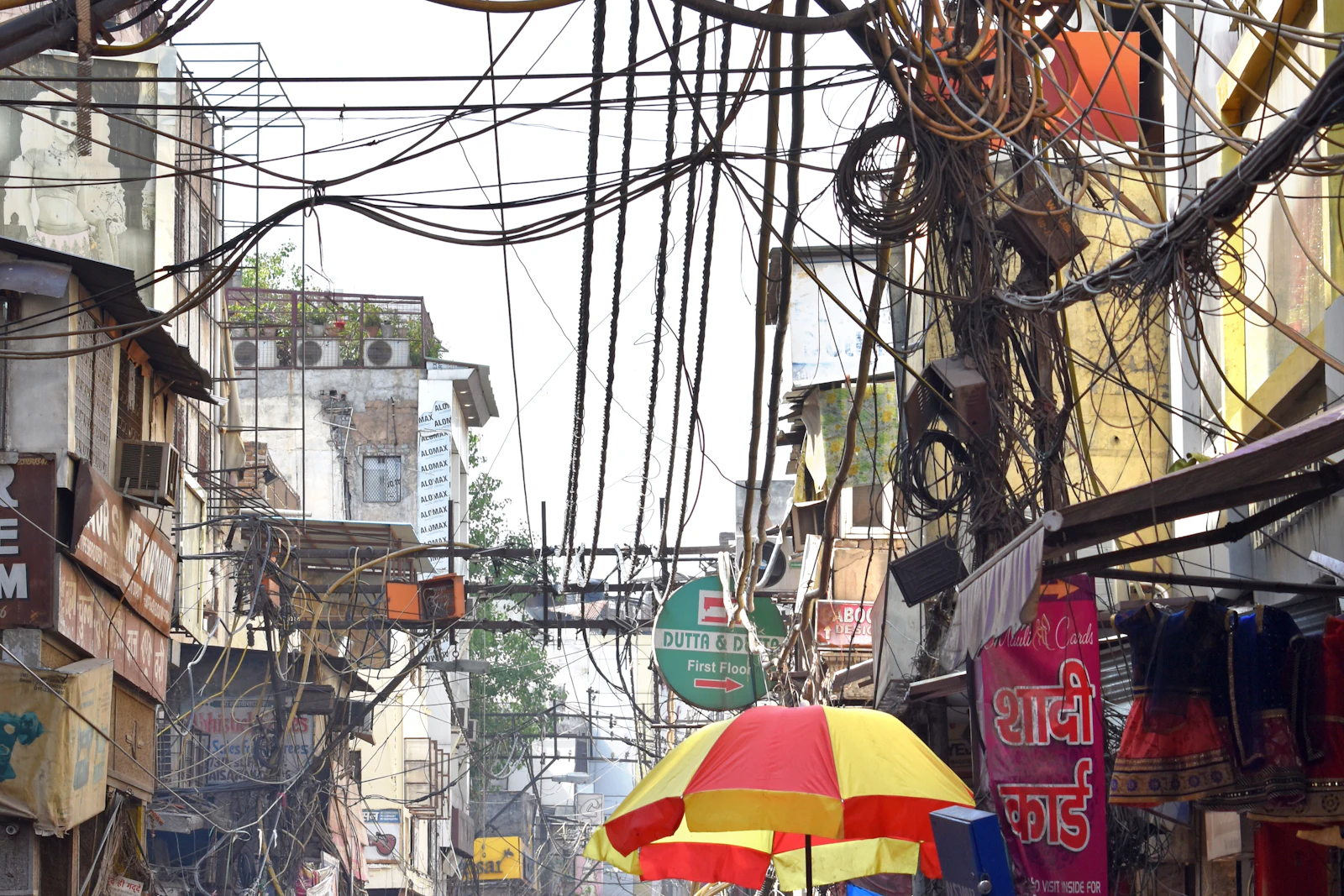
Chandni Chowk is the artery; the money is in the capillaries off it. Each lane has one job and roughly a hundred shops doing that job, which sounds inefficient and is in fact the best price-discovery mechanism ever built — walk three shops deep and you know the real rate.
- Khari Baoli — Asia's largest wholesale spice market, trading on the same site since the seventeenth century. Whole spices, dried fruit, nuts, tea, and a pepper-dust haze in the air that will make you cough. Buy saffron, cardamom and asafoetida here; pay a third of what the airport charges.
- Dariba Kalan — silver, since the Mughal period. Sold by weight against the day's rate plus a making charge, which is why it is honest in a way gemstone shopping rarely is. Ask for the rate, ask for the weight, ask for a bill.
- Kinari Bazaar — wedding trim, zari, tassels, sequins and zardozi. Almost nobody needs twenty metres of gold braid, and almost everybody leaves with some.
- Nai Sarak — textbooks and stationery, jammed with students in exam season.
- Chawri Bazaar — paper, wedding cards and brass. The metro station of the same name spits you out in the middle of it.
- Bhagirath Palace — electrical goods and, oddly, one of the largest wholesale medicine markets in the country.
Go on a weekday morning. These are wholesale markets first and they open early, work hardest before noon, and are near-impassable on Saturdays. Most close on Sundays. Wear shoes you do not mind, carry cash in a front pocket, and accept that you will be walking against a river of handcarts the entire time.
South Delhi: export surplus, books and handicrafts
Sarojini Nagar is the export-surplus market and the reason Delhi students dress better than their budgets suggest. The stock is genuine overrun and rejects from garment factories that supply European and American labels, which means the sizing is Western, the quality is real and the labels are frequently cut out. It is cash-only, aggressively crowded, and the opening price is theatre — a first quote of 800 rupees will usually settle around 300. Go on a weekday, go early, and check seams and zips before you pay, because nothing here can be returned. Closed Mondays.
Janpath, near Connaught Place, sells a similar mix with more tourist tax, but the Tibetan Market stalls at its northern end are genuinely good for silver jewellery, prayer beads and small brass. Bargain to about half.
Dilli Haat in INA is the opposite proposition: a ticketed open-air craft market where stalls are allotted to artisans from different states on a rotating basis, so the Kashmiri papier-mâché seller you liked in January may be a Bengali kantha seller in March. Prices are higher than a village co-operative and lower than a boutique, haggling is mild, and the food court — one stall per state — is the cheapest way in the city to eat Nagaland and Rajasthan in the same sitting.
Khan Market has some of the highest commercial rents in India and is not where you go for a bargain. It is where you go for Bahrisons, a bookshop trading since 1953 and one of the best in the country; for Good Earth and Anokhi, if you want block-printed textiles without the Jaipur trip; and for a coffee that will cost what a coffee costs at home. Lajpat Nagar Central Market sits between the two worlds — good for fabric by the metre, tailoring, and mehndi done on the spot at the market's edge.
How to not get fleeced
- Never let a driver or a guide take you to a shop he suggested. Commissions run 30 to 40 per cent and they are added to your price, not taken from the shop's.
- Ask for a GST bill on anything substantial. A shop unwilling to give one is telling you something.
- Silver and gold sold by weight against a posted daily rate is the most transparent thing you can buy in Delhi. Gemstones are the least — buy those because you like the stone, never as an investment, and never on a promise that you can resell it at home.
- Fixed-price state emporia on Baba Kharak Singh Marg are the free price anchor: walk the Rajasthan and Kashmir halls first, note what things cost, then go and bargain elsewhere with real numbers in your head.
- Carry small notes. A 2,000-rupee note at a spice stall at nine in the morning will lose you five minutes and some goodwill.
One last thing about shipping. Most established shops in Khan Market, Dilli Haat and the state emporia will freight a carpet or a large brass piece home properly and insured. A stall in Sarojini Nagar will not, and any shop that offers to ship a gemstone purchase separately so that you can claim a tax refund is running the oldest scam in the city. Carry what you buy.