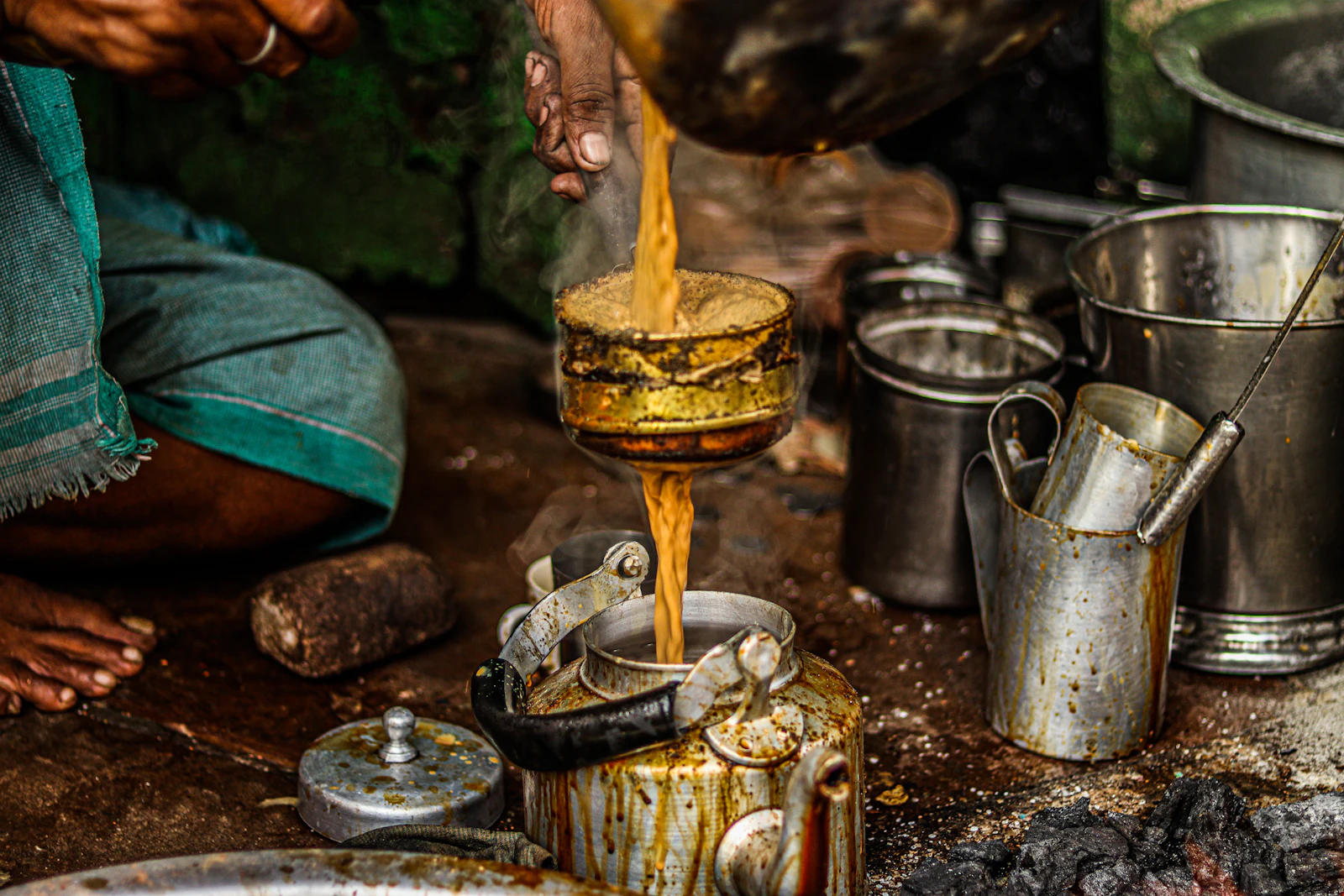
 Varanasi, Uttar Pradesh
Eating in Varanasi: From Kachori to Malaiyo
Par Bharat Trails Editors··5 min de lecture·
Morning kachori-sabzi, tomato chaat found nowhere else, clay-cup lassi and a winter-only milk foam set by dew. How to eat your way through Banaras.
Varanasi eats on a timetable, and the timetable is not negotiable. Kachori is a morning food and the shops that sell it will have closed by eleven. Chaat belongs to the late afternoon. Malaiyo, if you are here in the right two months, exists only between about six and nine in the morning and is physically gone by the time the sun is properly up. Turning up at a famous address at the wrong hour and finding a shuttered counter is the standard Varanasi food experience, and it is entirely avoidable.
The other thing to know is that the old city is effectively vegetarian. This is a temple town and a great deal of it neither cooks meat nor sells alcohol, particularly in the lanes near the ghats. That is not a limitation here. Banaras has one of the most developed vegetarian street kitchens in India and you will not notice the absence.
Morning: kachori-sabzi and jalebi
Breakfast is kachori — a fried, stuffed pastry — split open and flooded with a thin, peppery aloo sabzi, usually with a wedge of something sour on the side, eaten standing up off a leaf plate. Ram Bhandar in Thatheri Bazaar is the reference, in business for decades and busy from seven. The kachori are handed over hot, the sabzi is ladled generously, and a refill of the sabzi is normal and free — ask.
Alongside it, jalebi, or its thicker cousin imarti, which is made from urad batter rather than wheat and is denser and darker orange. Buy it by weight, eat it immediately, and understand that a jalebi that has been sitting is a completely different and much worse thing than one lifted straight out of the syrup.
Afternoon: the chaat that exists only here
Varanasi's chaat is worth a specific pilgrimage because two of its items are essentially local. Tamatar chaat is mashed, spiced tomato cooked down with potato and a heavy hand of the city's own masala, served hot in a dried-leaf bowl with crushed crisp bits on top — sweet, sour and startlingly good, and rarely found outside eastern Uttar Pradesh. Palak chaat is spinach leaves fried in a thin batter until they shatter, then dressed with yoghurt, chutneys and pomegranate.
Kashi Chat Bhandar in Godowlia is the address everyone gives and it earns it; Deena Chat Bhandar nearby is the local counter-argument. Both are standing-room, both are cash, both hand you a leaf bowl you eat from with your fingers and then drop in the bin at the side.
- Chooda matar — flattened rice cooked slowly with green peas, ghee and ginger. Winter only, roughly December to February, and worth planning a trip around.
- Launglata — a pastry parcel pinned shut with a clove and soaked in syrup.
- Malai gilori — a folded sheet of thickened milk cream, made to look like a paan leaf, filled with nuts.
- Rabri — reduced milk with the skin folded back in, sold by the cup in winter and best from a shop with a wide, blackened pan on the fire.
Lassi, thandai and paan
Blue Lassi, in the lane called Kachori Gali on the way to Manikarnika, is a hole in the wall where a family has been setting curd and blending lassi for three generations. It is served in a clay cup with fruit and nuts on top, it is thick enough to need a spoon, and the shop's position — on the route funeral processions take to the burning ghat — is a jolt that most visitors remember longer than the drink. Pehelwan Lassi and Baba Lassi are the less-photographed alternatives and no worse.
Thandai is the other local drink: cold milk ground with almonds, fennel, poppy seed, pepper and rose. In some shops, and quite openly, it comes in a bhang version, cannabis paste being legally sold here through government-licensed outlets. If you do not want that, say so plainly when you order rather than assuming — the default at some counters is not what you expect, and the onset is slow enough that people badly misjudge it.
Finish with Banarasi paan, which received a Geographical Indication in 2023 along with the city's langda mango. The leaf is the local Magahi variety, soft enough to dissolve, and the classic meetha paan is sweet, non-tobacco and entirely harmless. Say meetha paan, sada, and refuse anything with tobacco or supari if you would rather not.
The one thing you have to come in winter for
Malaiyo — malaiyyo, malaiyo, or nimish depending on who is selling it — is the most extraordinary food in Varanasi and it exists for about four months a year. Milk is whipped into a foam, left out overnight so that winter dew settles into it, and then sold at dawn in a clay cup, dusted with saffron and pistachio. It is barely a substance: it collapses to nothing on the tongue and tastes of cold sweet milk. It needs genuine winter cold and real dew, which is why it appears around November and vanishes by February or March.
You have to be in the old city lanes between six and nine in the morning, and you have to ask where the malaiyo man is standing today, because he moves. It is the single best argument for visiting Varanasi in December rather than October.